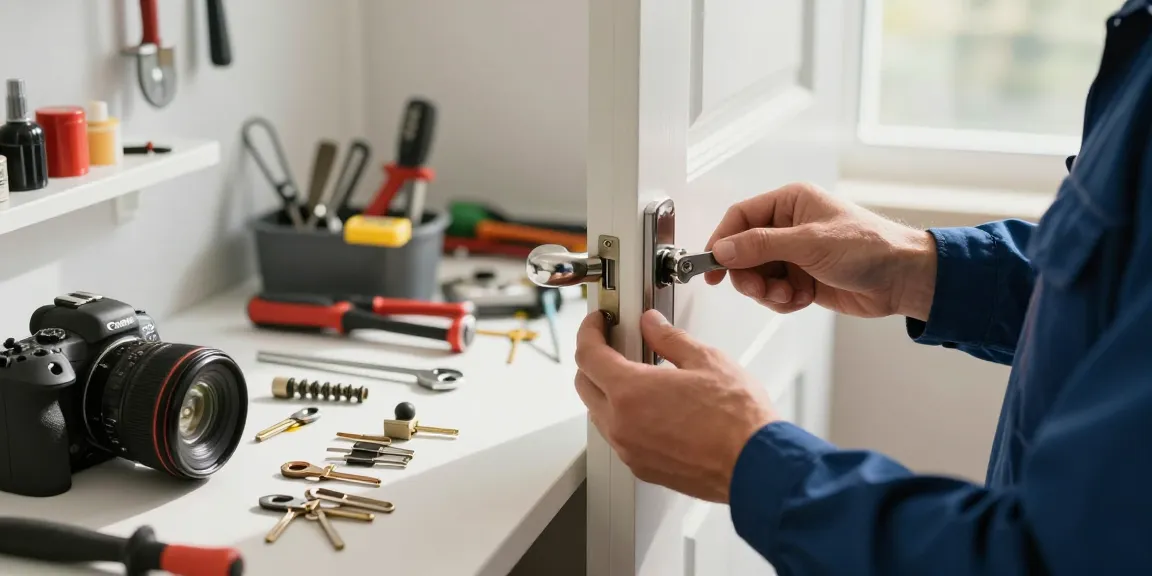
Understanding Lock Rekeying
Lock rekeying is a critical service for homeowners seeking enhanced security without the need for complete lock replacement. As security technologies continue to evolve, understanding the ins and outs of rekeying is essential for both new and existing homeowners in Raleigh. When exploring options, Lock Rekey Raleigh provides comprehensive insights that can help you make informed decisions tailored to your needs.
What is Lock Rekeying?
Lock rekeying is the process of changing the internal pins of a lock cylinder, rendering old keys useless while allowing the new keys to function. This method is particularly beneficial for those who have recently moved into a new home or have lost a set of keys, as it can quickly enhance security without the added expense of new locks. By simply changing the configuration of a lock, homeowners can take control of their security, ensuring that only authorized individuals have access to their property.
Benefits of Lock Rekeying for Homeowners
There are several compelling reasons to consider lock rekeying as a security measure:
- Cost-Effective: Rekeying is significantly cheaper than replacing an entire lock system. Homeowners can save money while still enhancing their security.
- Convenience: In a matter of minutes, a locksmith can rekey multiple locks, allowing homeowners to operate all their locks with a single key.
- Improved Security: Changing the lock pins ensures that previous keys are no longer effective, which is crucial for newly purchased properties or after experiencing a security breach.
Common Misconceptions about Lock Rekeying
Despite its growing popularity, there are several misconceptions surrounding lock rekeying:
- Rekeying is the same as changing locks: While rekeying alters the internal mechanism of a lock, changing locks involves replacing the entire unit, which can be unnecessary in many cases.
- Rekeying is a DIY job: Although some may attempt to DIY rekey locks, it requires specific tools and expertise. Hiring a professional ensures the job is done correctly and safely.
- All locks can be rekeyed: Not all locks are designed for rekeying. High-security locks often utilize different mechanisms that may require replacement instead of rekeying.
Choosing the Right Locksmith in Raleigh
Finding a reliable locksmith is crucial for successful rekeying. The right professional will not only understand the mechanics of locks but also prioritize security and customer satisfaction.
Qualifications and Certifications to Look For
When selecting a locksmith, ensure they have proper licenses and insurance to protect against liabilities. Membership in professional organizations, such as the Associated Locksmiths of America (ALOA), can also signify a commitment to ongoing education and adherence to industry standards.
Comparing Services and Pricing
Before hiring a locksmith, it’s advisable to obtain estimates from multiple service providers. Consider not only the cost but also the range of services offered. While some locksmiths may focus solely on residential services, others might provide automotive and commercial security solutions as well.
Reviews and Recommendations for Local Locksmiths
Customer reviews can provide invaluable insights into a locksmith's reliability and quality of service. Ask friends, family, or neighbors for recommendations, and check online platforms for ratings and feedback. This preliminary research can help you avoid potential scams and ensure you choose a trustworthy professional.
Step-by-Step Guide to the Rekeying Process
The lock rekeying process is straightforward, but it requires specific tools and a methodical approach to ensure effectiveness.
Tools and Equipment Needed for Rekeying
To rekey a standard lock, you will typically need: - A rekeying kit specific to your lock brand - A screwdriver - Tweezers - A flashlight - A small tray for holding pins and springs
DIY vs. Professional Rekeying
While rekeying can be a simple task, hiring a professional ensures the integrity of your locks is maintained. A locksmith will have the experience and tools to troubleshoot any issues that may arise during the process, preventing potential damage to your locks.
Timeframe for Lock Rekeying
Rekeying is typically a quick process, often taking less than an hour for a standard lock. However, the time required can vary based on the number of locks being rekeyed and the complexity of the mechanisms involved.
Maintaining Your Home’s Security Post-Rekeying
After rekeying, it’s important to continue protecting your home’s security with ongoing maintenance and vigilance.
Regular Maintenance Tips for Locks
Periodic maintenance can greatly extend the lifespan of your locks:
- Lubrication: Use graphite or silicone spray to lubricate locks, avoiding oil-based products that may attract dust and dirt.
- Inspection: Regularly check locks for signs of wear or damage, ensuring they function smoothly.
- Keep Keys Safe: Maintain a secure location for your keys to prevent unauthorized duplication.
Signs Your Locks Need Attention
Be aware of the following indicators that it may be time to address your locks:
- Difficulty turning keys or locking mechanisms
- Keys that stick or have trouble entering the lock
- Visible damage or corrosion
Integrating Smart Lock Technologies
As home security technology evolves, integrating smart locks can offer added convenience and security. Smart locks allow users to control entry via mobile apps, provide temporary access codes for guests, and send alerts when someone attempts to access the property. These features are particularly useful for families and those who rent out properties.
Future Trends in Home Security for 2026
As we look towards 2026, staying informed about the latest developments in home security technology can help homeowners make proactive decisions.
Advancements in Keyless Entry Systems
Keyless entry systems are expected to become even more sophisticated, integrating biometrics and artificial intelligence to enhance security. Homeowners can expect features like facial recognition and fingerprint scanning to become common, providing an additional layer of safety.
Impact of Technology on Traditional Locksmith Services
While technology continues to advance, it also poses challenges for traditional locksmiths. As more homeowners adopt smart locks, locksmiths will need to adapt by gaining new skills and knowledge to remain relevant in the industry.
Preparing for Emerging Home Security Challenges
With the rise of cyber threats, homeowners must also consider digital security as part of their overall home security strategy. Investing in cybersecurity measures can protect not just physical property but also sensitive personal information stored online.