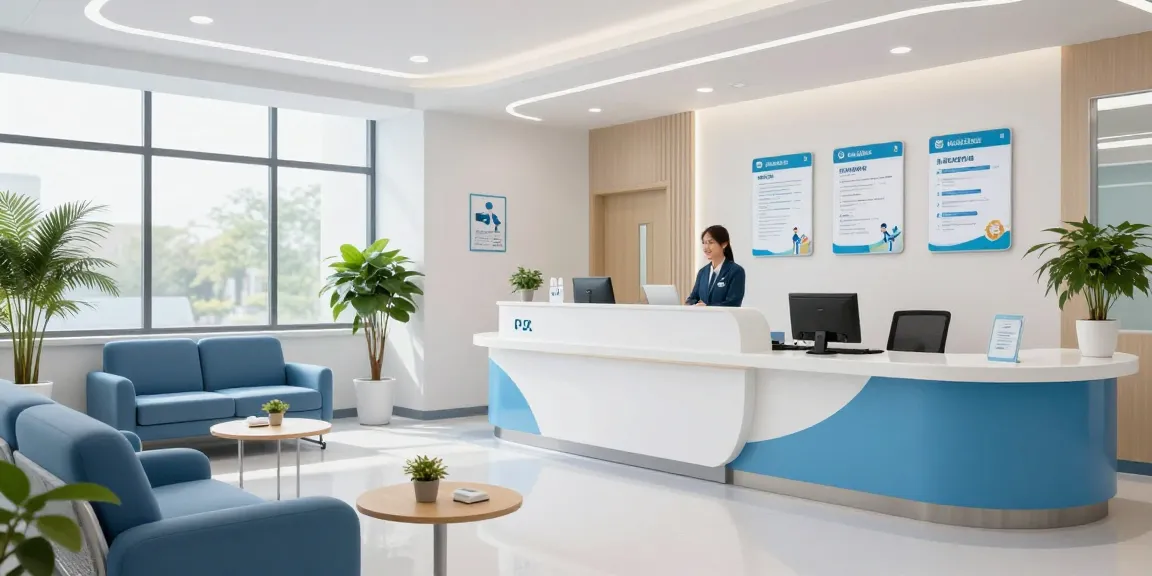
Understanding the Importance of Trusted Medical Services
In an era where healthcare choices abound, finding a trusted healthcare provider is paramount for ensuring quality medical care. Whether you're researching general practitioners or specialists for specific conditions, reliable information is crucial. As part of your healthcare journey, you may encounter numerous sources discussing options such as situs togel, but understanding their credibility and relevance in your healthcare context is essential. In this article, we will explore the significance of medical services, how to select the right healthcare provider, and the role of patient feedback in improving care quality.
What are Essential Medical Services?
Essential medical services encompass a wide range of healthcare options aimed at preventing, diagnosing, and treating illnesses and conditions. These include primary care, specialty consultations, emergency services, and preventive measures such as vaccinations. Every patient’s needs may vary, but accessing quality medical services is fundamental to achieving better health outcomes. Essential services also include mental health care, which is vital for overall wellbeing.
How to Choose the Right Healthcare Provider
Selecting a healthcare provider can be a daunting task. It is important to consider factors such as experience, patient reviews, and the types of services offered. Recommendations from family and friends can also provide valuable insights. Additionally, confirming that the provider is covered under your insurance plan will help avoid unexpected costs. It is also beneficial to assess the healthcare provider’s communication style and whether it aligns with your expectations for a patient-centered approach.
The Role of Patient Feedback in Enhancing Care
Patient feedback is a vital component of healthcare improvement. It not only helps providers understand what patients value in their service but also offers insights on areas needing enhancement. Surveys and reviews can inform practices about the patient experience, leading to better communication, quality of care, and satisfaction. By voicing their opinions, patients play an active role in shaping trustworthy medical services.
Comprehensive Patient Care Best Practices
Comprehensive patient care involves a holistic approach to health that includes physical, emotional, and psychological well-being. This can greatly enhance the recovery process and patient satisfaction. Understanding what to expect during consultations and how personalized care can improve outcomes are essential for fostering a positive healthcare experience.
What to Expect During a Doctor Consultation
During your appointment, expect to engage with your healthcare provider about your health history, current symptoms, and any concerns you may have. The provider will likely conduct a physical examination and may recommend tests or screenings based on your condition. This comprehensive approach not only helps in diagnosing issues accurately but also establishes a foundation for a collaborative healthcare relationship.
Innovative Approaches to Personalizing Patient Care
Modern healthcare increasingly emphasizes personalized approaches to treatment. Utilizing genetic information, lifestyle habits, and individual preferences allows providers to tailor treatments to meet each patient's unique needs. This shift toward personalized medicine has led to enhanced treatment outcomes and greater patient adherence to therapeutic plans.
Importance of Compassionate Support Systems
Compassionate support systems are integral to comprehensive patient care. Providing emotional and psychological support can significantly impact a patient’s recovery journey. Establishing a connection with healthcare providers through empathy fosters trust and encourages open communication, ultimately enhancing the overall care experience.
Preventive Health Measures for 2026
Preventive healthcare is crucial for reducing the risk of chronic diseases and ensuring overall well-being. As we move into 2026, implementing preventive measures will be essential in promoting better health outcomes across populations.
Why Regular Health Screenings are Crucial
Routine health screenings are vital for early detection of potential health issues. Conditions such as diabetes, heart disease, and certain cancers can be managed more effectively when identified early. Health organizations recommend regular screenings tailored to age, gender, and risk factors to improve prognosis and treatment effectiveness.
How to Implement a Preventive Health Strategy
Creating a preventive health strategy begins with regular health assessments and consultations with your healthcare provider. Discuss your family history and personal health goals to establish a tailored plan, including vaccinations, routine tests, and lifestyle modifications. Staying proactive about your health empowers you to maintain a higher quality of life.
Leading Innovations in Health Monitoring Technologies
Advancements in health monitoring technologies are revolutionizing the way patients manage their health. Wearable devices, mobile health applications, and telemedicine services offer real-time data and communication with healthcare providers. These innovations enhance patient engagement and empower individuals to take charge of their health through consistent monitoring and timely interventions.
Overview of Mental Health Awareness and Treatments
Mental health has gained significant attention in recent years, emphasizing its role in overall well-being. Understanding common mental health issues and their treatments enables patients to seek the help they need effectively.
A Guide to Common Mental Health Issues
Common mental health disorders include anxiety, depression, and stress-related conditions. Symptoms can vary in intensity and may impact daily functioning. Awareness of these conditions can lead to earlier diagnosis and treatment, which is crucial for better outcomes and quality of life.
Effective Treatment Options for Anxiety and Depression
Treatment for anxiety and depression typically includes a combination of therapy and, in some cases, medication. Cognitive-behavioral therapy (CBT) is widely regarded as a successful method for managing symptoms of both conditions. Lifestyle changes such as exercise, diet, and mindfulness practices are also valuable components of a treatment plan.
Creating a Supportive Environment for Mental Wellness
Creating a supportive environment is essential for fostering mental wellness. This includes open communication about mental health, encouraging professional help when necessary, and reducing stigma surrounding mental health issues. Family, friends, and support groups can play a significant role in providing empathetic support.
Chronic Disease Management and Patient Rights
Managing chronic diseases effectively is vital for improving patient quality of life. Understanding your rights as a patient can empower you to seek the care you need and advocate for yourself within the healthcare system.
Understanding Chronic Disease Management
Chronic disease management involves ongoing care to control symptoms and improve health outcomes. This often requires a multifaceted approach, including medication management, lifestyle changes, and regular check-ups. Collaborating with healthcare professionals is essential for establishing a management plan that meets individual needs.
Patient Rights in Healthcare Settings
Patients have fundamental rights, including the right to receive comprehensive information about their healthcare options, the right to consent to treatment, and the right to privacy regarding their medical records. Being aware of these rights helps patients advocate for themselves and ensures they receive respectful and competent care.
How to Advocate for Yourself as a Patient
Advocating for yourself as a patient is crucial for receiving optimal care. Prepare for appointments by listing questions and concerns. Don’t hesitate to voice your thoughts during discussions with healthcare providers, and seek second opinions if you feel uncertain about a treatment plan. Empower yourself by gaining knowledge about your condition and treatment options.